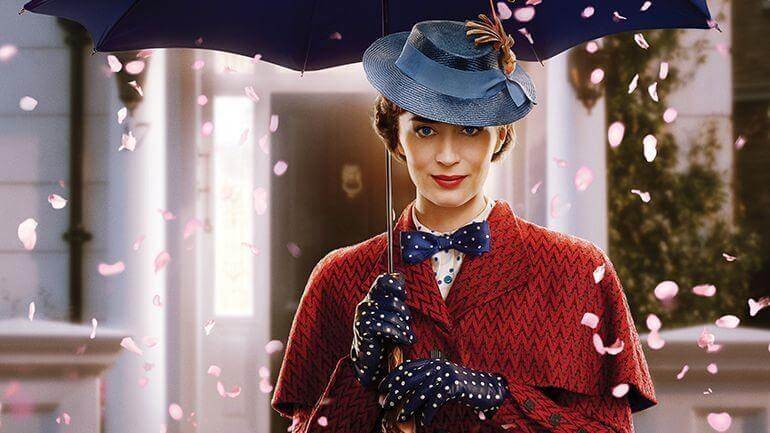
She arrives with the east wind, leaves with the west, and never explains herself to anyone. This is, it turns out, the correct approach.
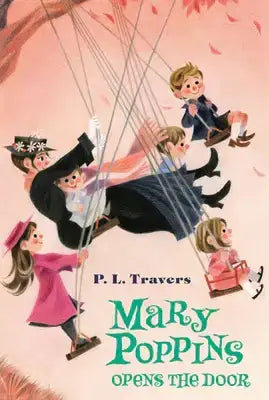
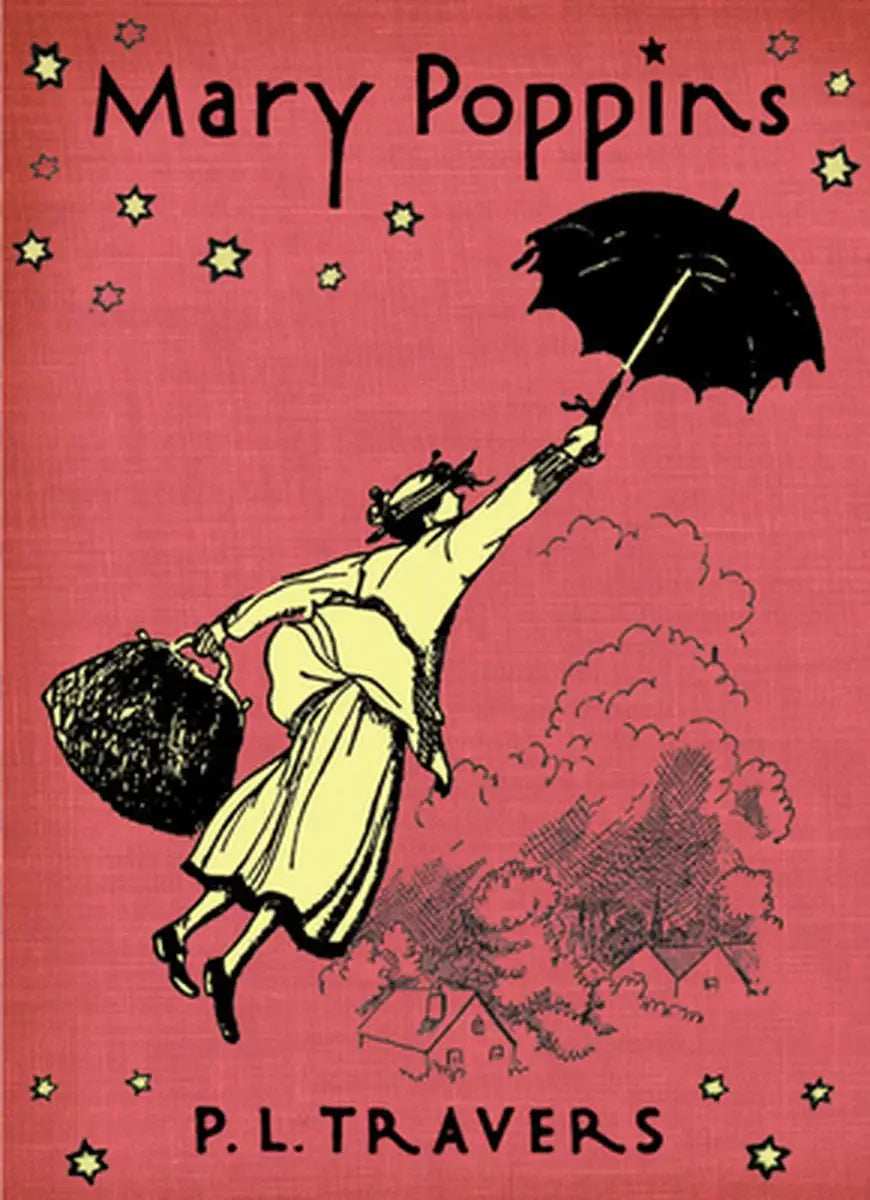
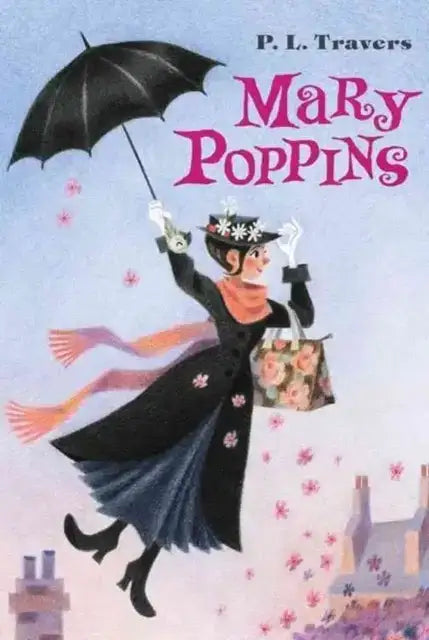
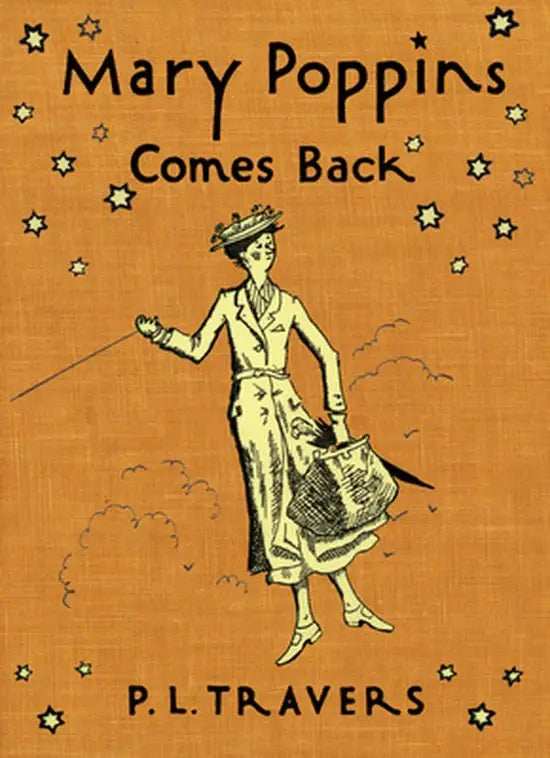
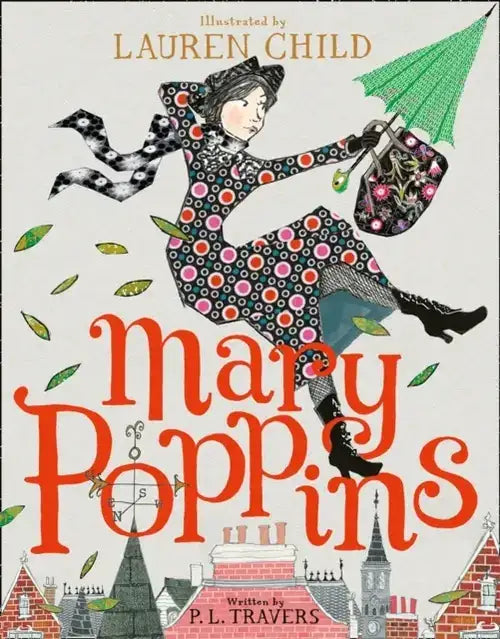
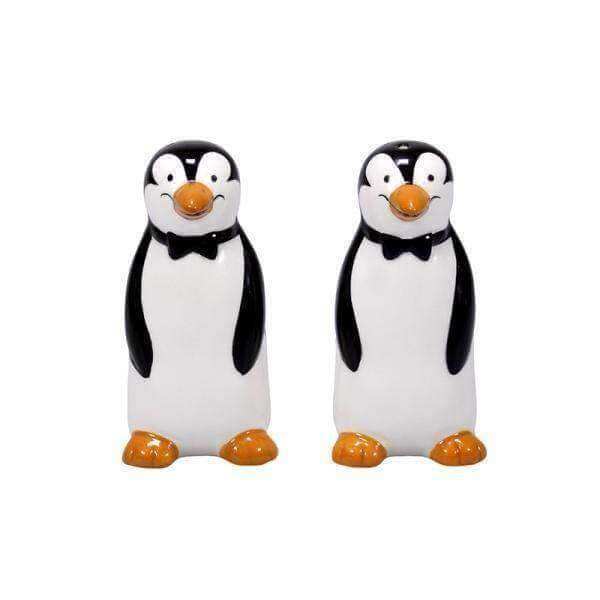
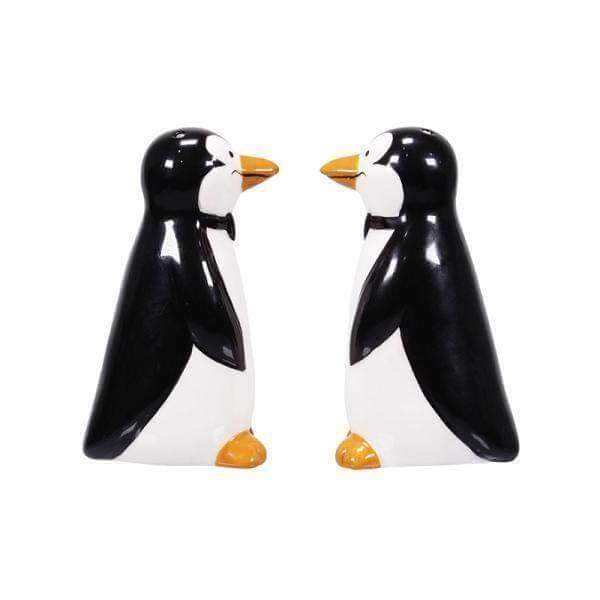
P.L. Travers created Mary Poppins in 1934 as something considerably more enigmatic and rather more unsettling than the version most people carry in their heads — a nanny of supernatural capability and zero sentimentality, who dispenses magic and life lessons in equal measure and refuses, absolutely and at all times, to be thanked for either. Walt Disney's 1964 film softened the edges and produced one of cinema's great musical spectacles: Julie Andrews, Dick Van Dyke, animated penguins, a spoonful of sugar and a carpet bag of apparently infinite capacity. Emily Blunt's 2018 Mary Poppins Returns brought her back with elegance and emotional intelligence, introducing her to a new generation without diminishing anything the original had established.
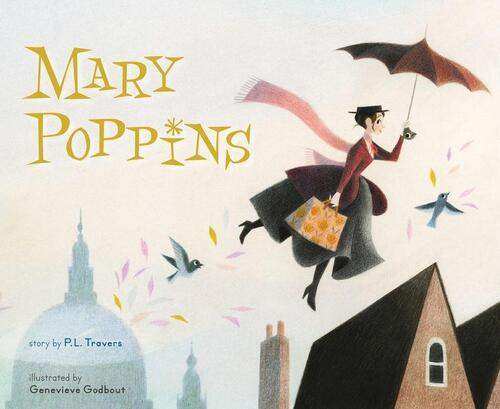
What both films — and Travers' books beneath them — understand is that Mary Poppins is not primarily a nanny. She is a force of nature that takes nanny form for the purposes of the visit, which always ends when the family no longer needs her in the way they needed her at the beginning. She does not linger. She does not explain. She simply leaves, with the west wind, carrying an umbrella and a parrot-handled certainty that the work is done. The Banks children are changed. She is exactly the same. That is how it works.
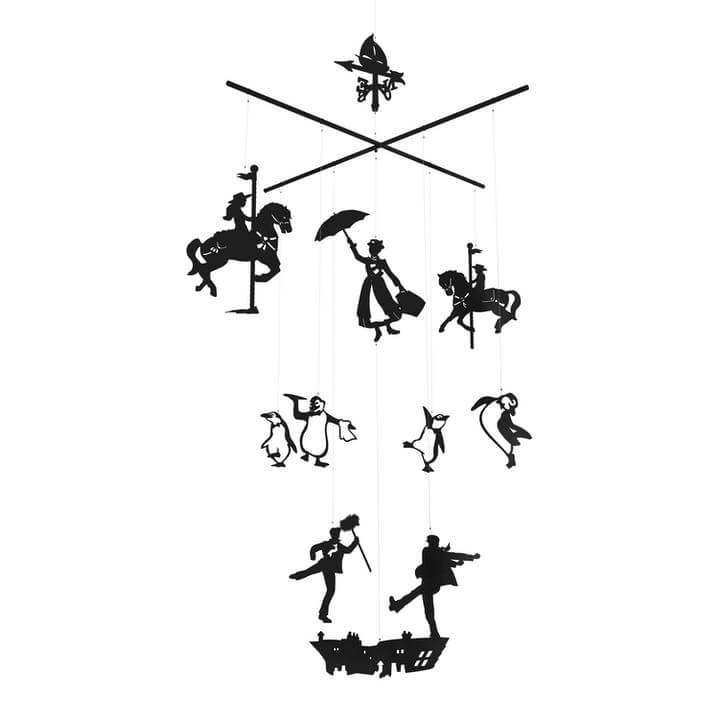
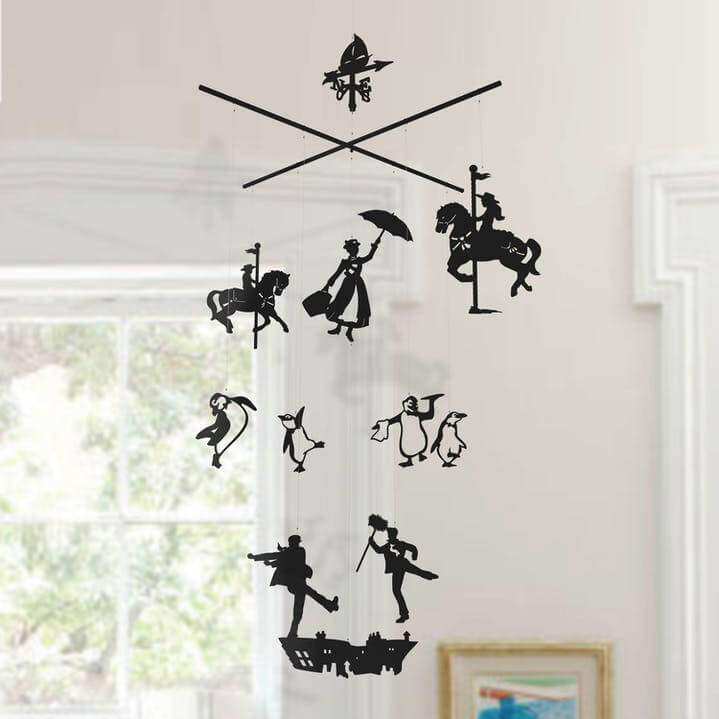
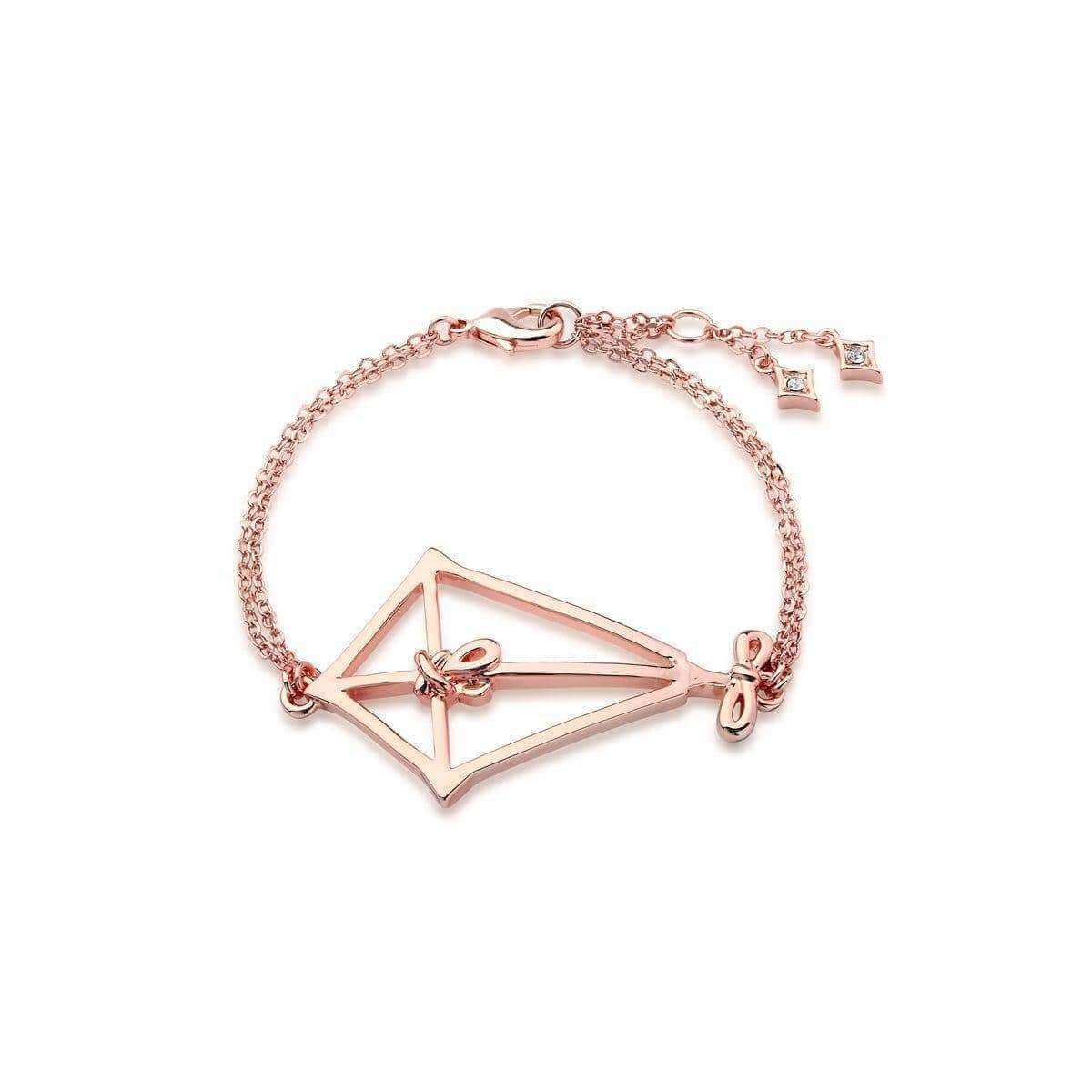
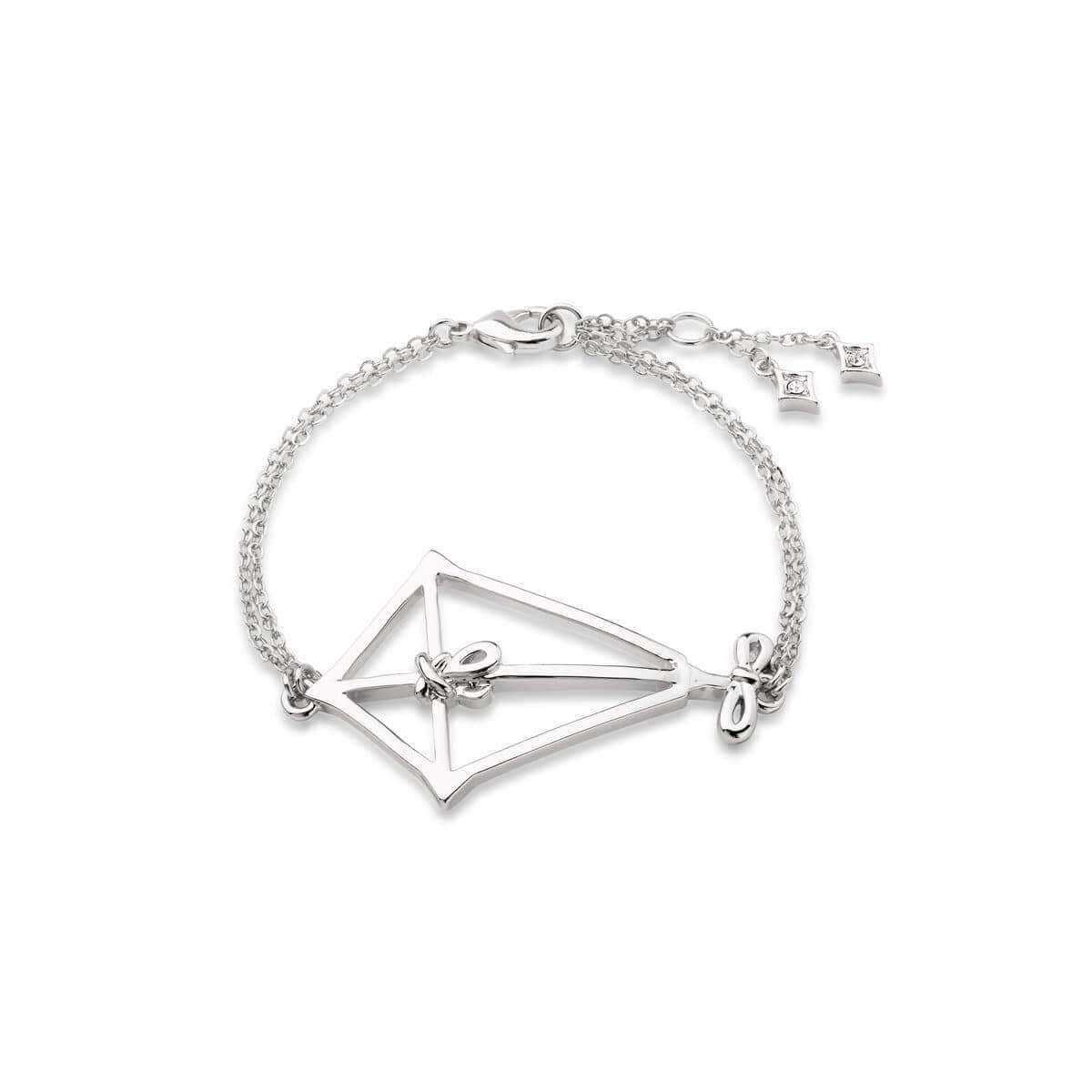
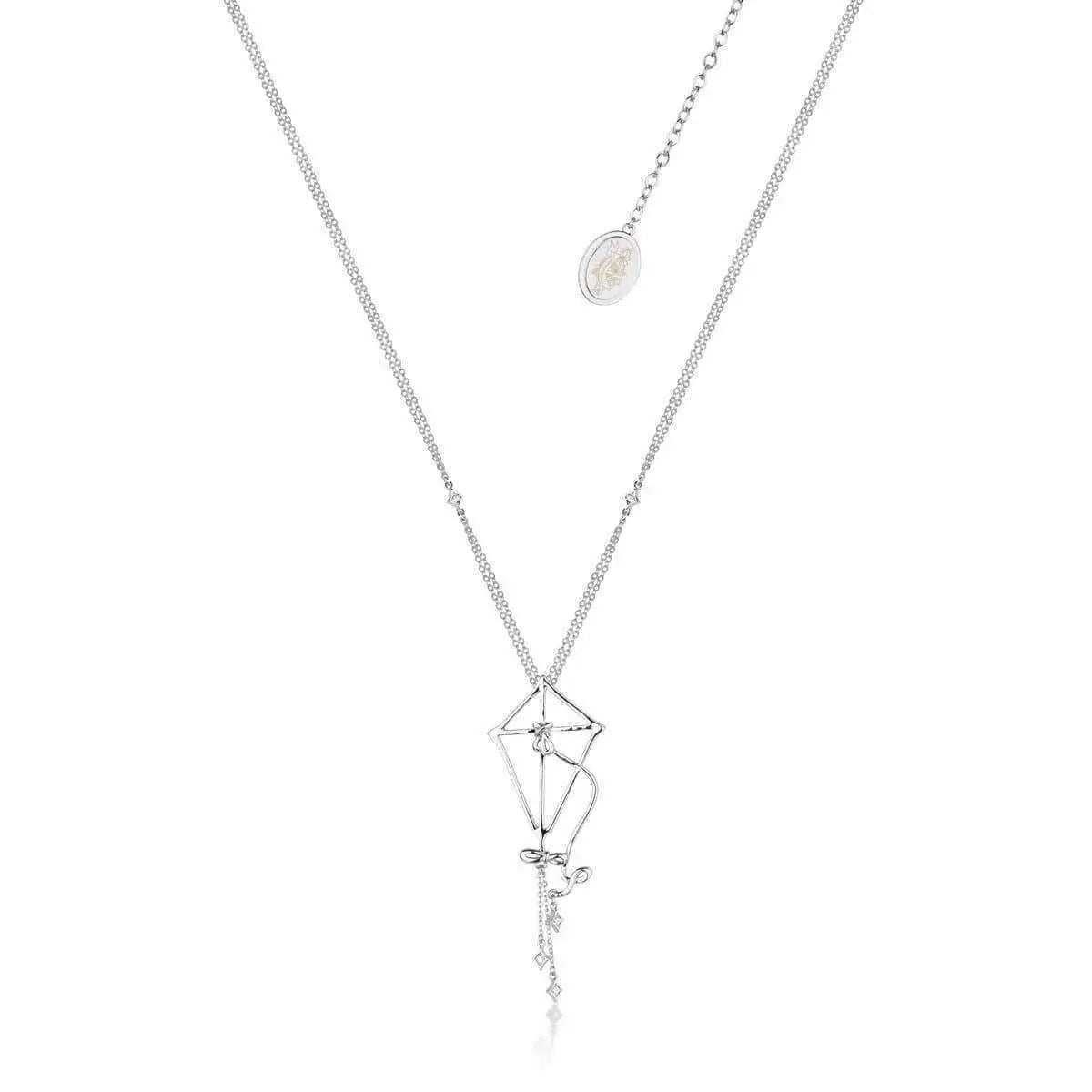
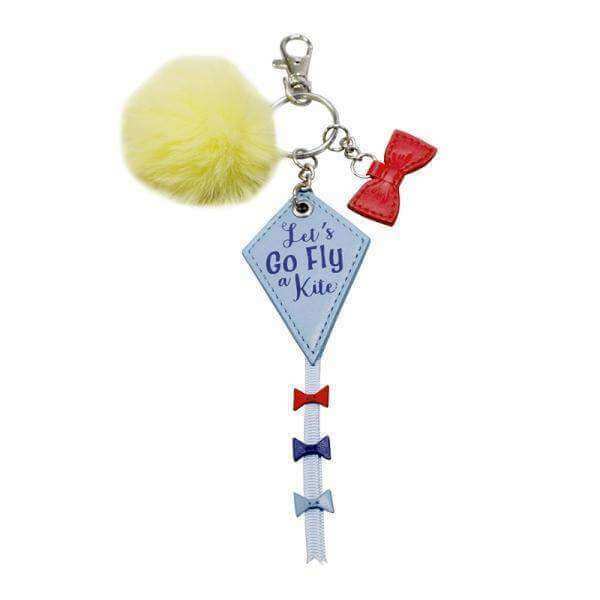
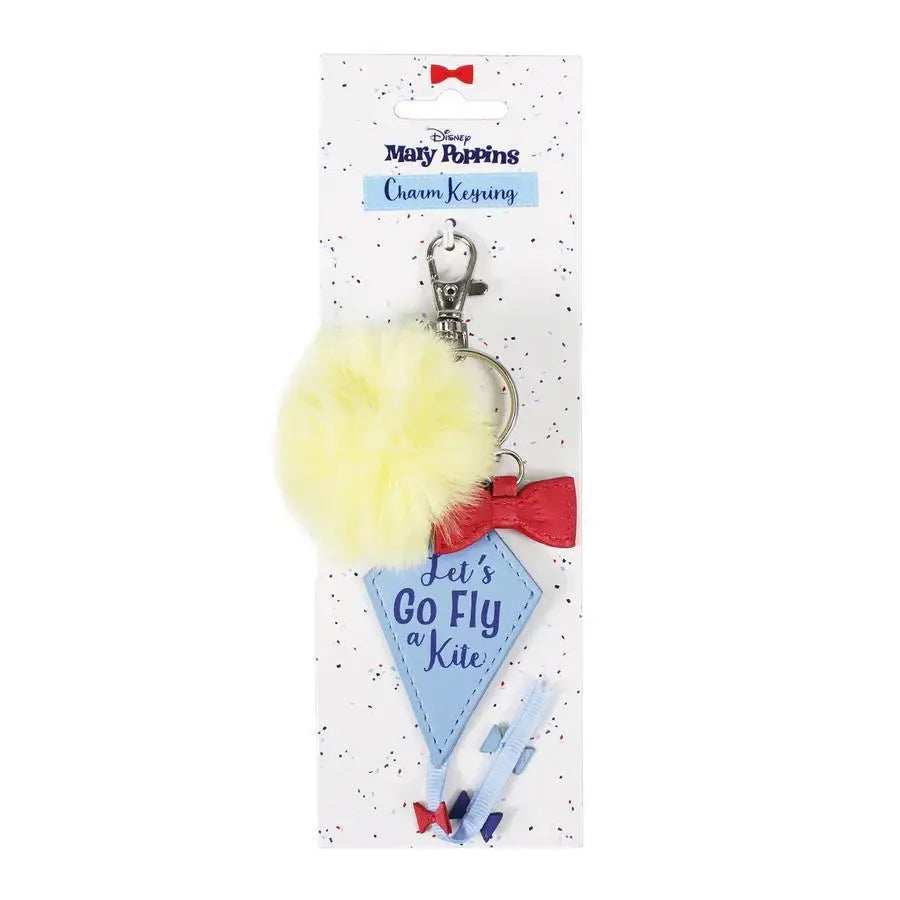
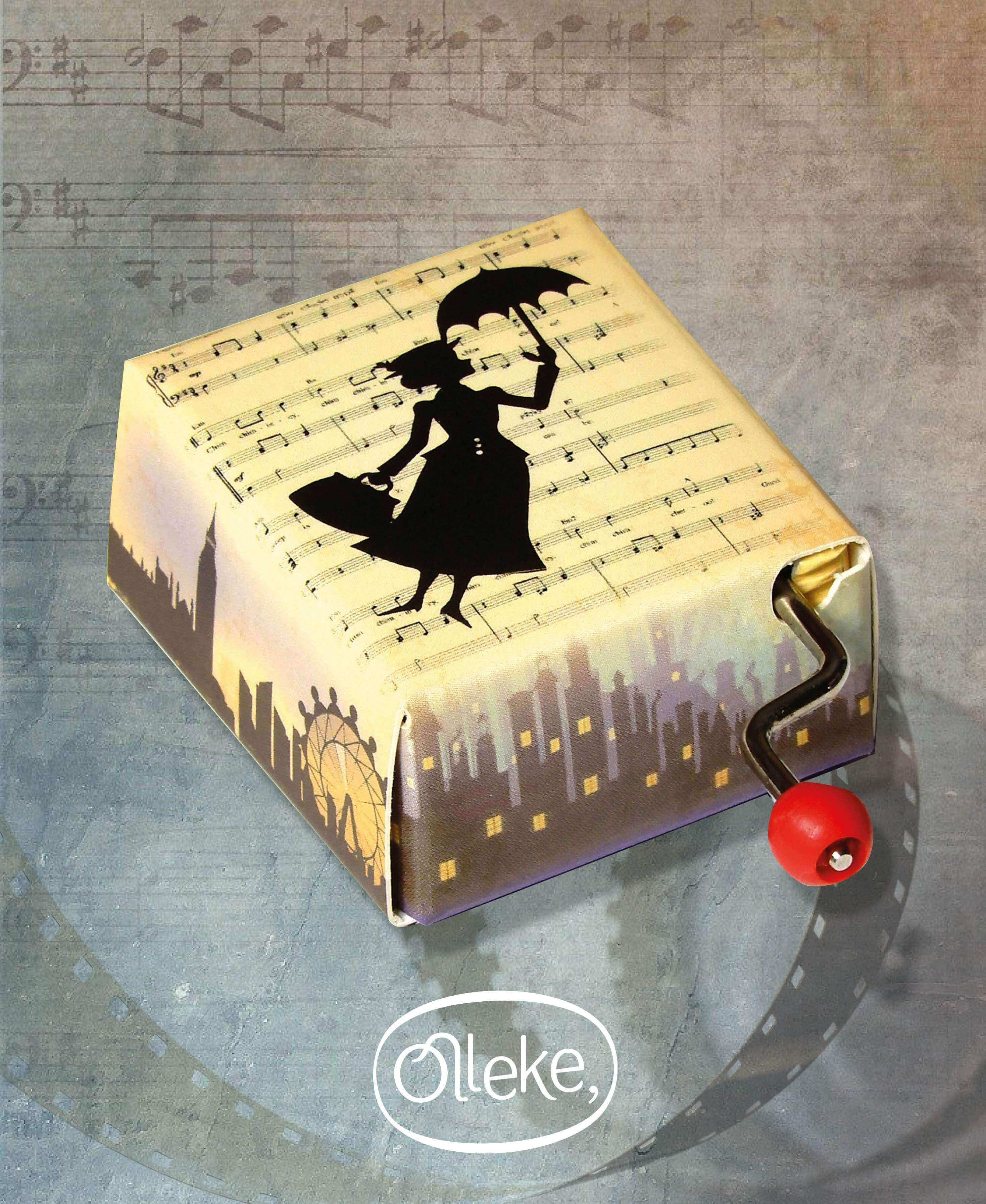
Our Mary Poppins collection brings together officially licensed figures, accessories, homeware and gifts — from Mary Poppins Funko Pops and collector's pieces to mugs, bags, prints and keepsakes for fans of both the classic original and its celebrated sequel. For admirers of Julie Andrews' definitive portrayal, for those who discovered Emily Blunt's and stayed, and for anyone who has ever looked up at a departing umbrella and felt something they couldn't quite name.
Practically perfect in every way. She already knew.