A river. A riverbank. A very agreeable morning with nowhere particular to be and nothing particular to do. There is, Mole discovered, simply nothing — absolutely nothing — half so much worth doing.
Kenneth Grahame published The Wind in the Willows in 1908, and produced something that has resisted every attempt to categorise it ever since. It is a children's book that reads like a reverie. A nature essay dressed up as a story. A comedy of manners set among animals who wear tweed and keep larders. And beneath all of it, one of the most quietly profound meditations on friendship, home and belonging in the English language. Mole, Ratty, Badger and the incorrigible, irrepressible, absolutely catastrophic Mr Toad of Toad Hall are among literature's great quartets — each one a distinct temperament, each one incomplete without the others.
Toad gets the motorcar chases and the disguises and the prison escapes. He gets the drama. But it is the riverbank chapters — the long, unhurried passages of boats and picnics and the particular gold of a late summer afternoon — that stay with you longest. Grahame knew exactly what he was doing. Pan's chapter, The Piper at the Gates of Dawn, is as close to genuine mystical writing as children's literature has ever produced. It has never been bettered.
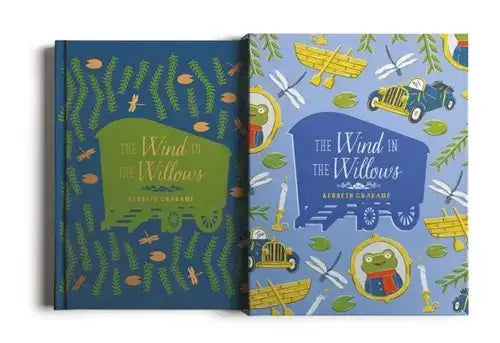
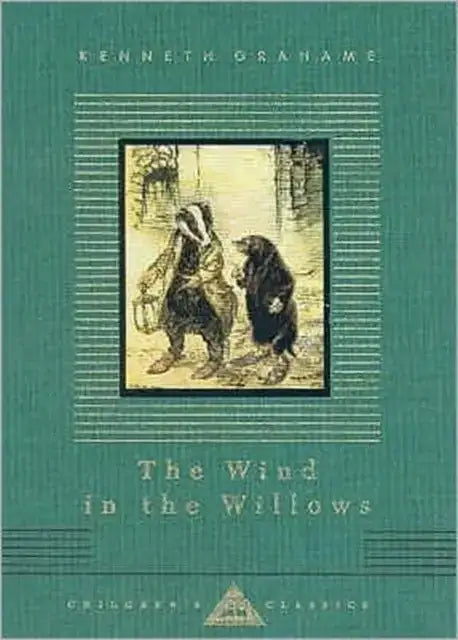
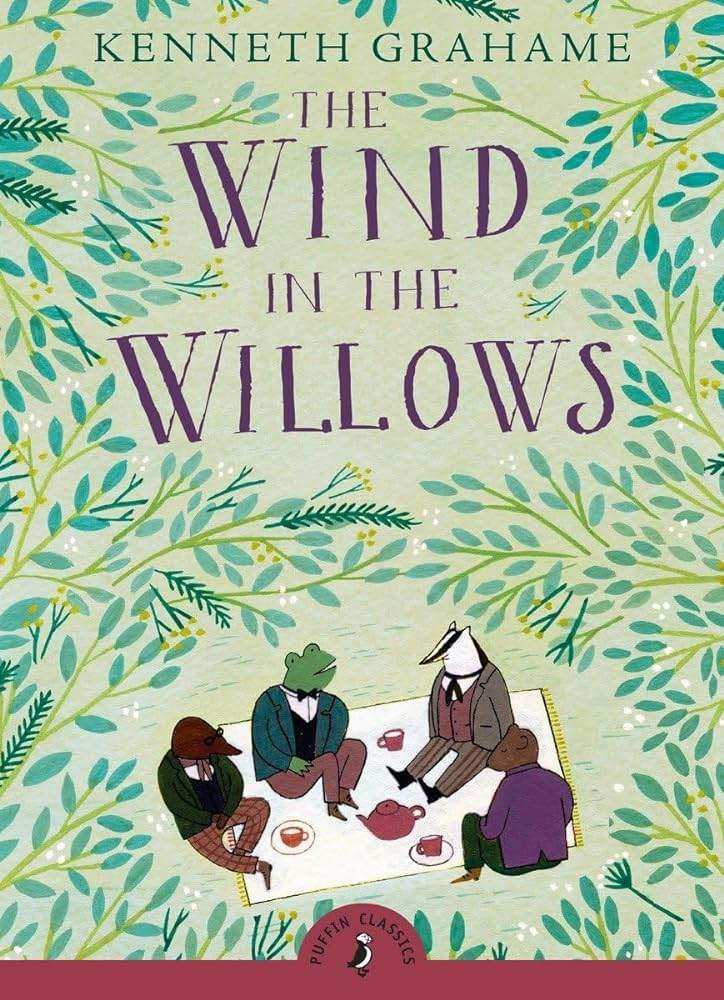
Our Wind in the Willows collection brings together officially licensed gifts, homeware, accessories and keepsakes — beautifully considered pieces for devoted fans of the riverbank and its inhabitants, for lovers of classic English illustration, and for anyone who has ever felt that the open road and the quiet river are both calling at once and cannot quite decide which way to go.
Simply messing about in boats. There is nothing better.