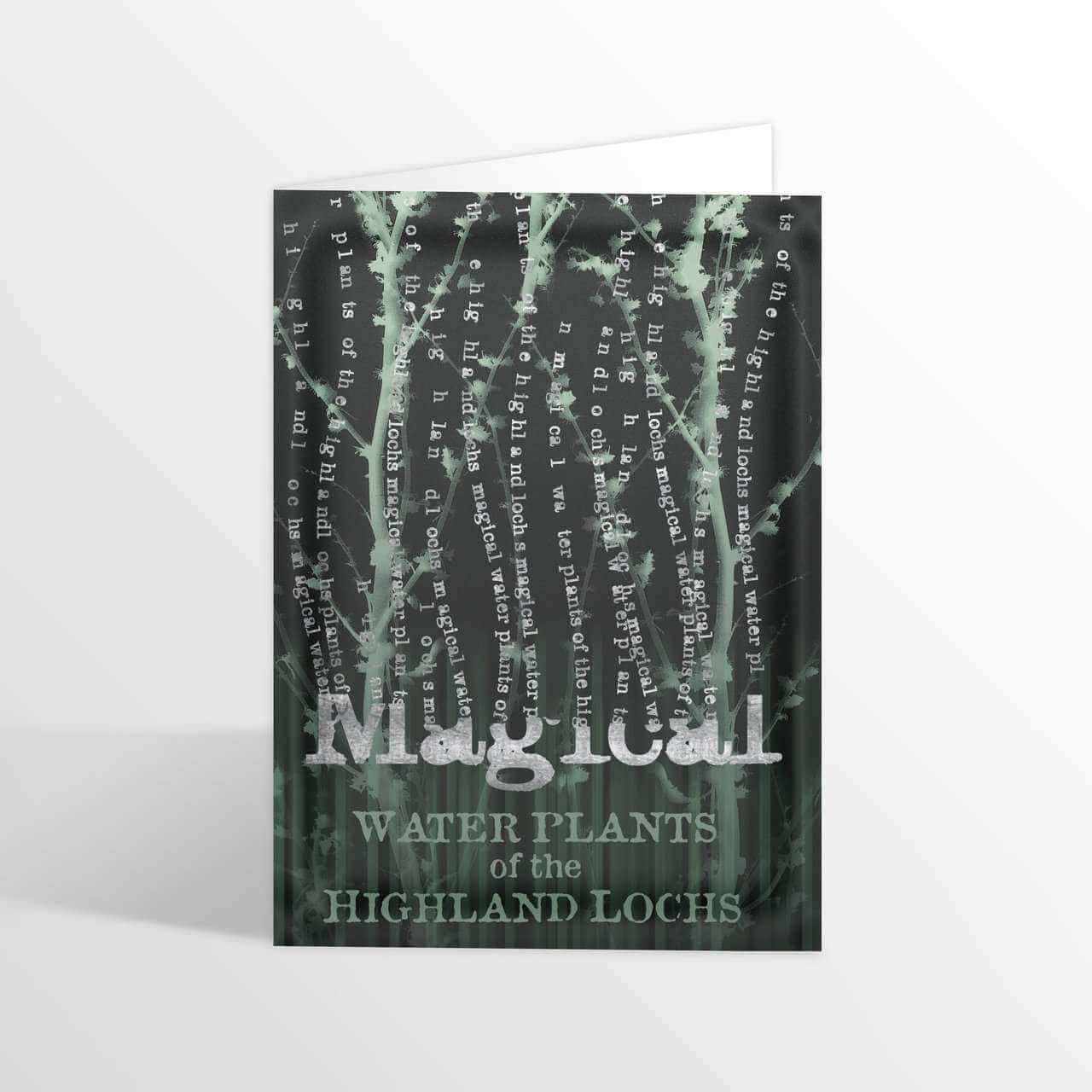
Handle with care. Some of them bite back.
The wizarding world has always understood what the Muggle world is only beginning to catch up with: that plants are not passive. They listen, they respond, they communicate, they defend themselves with considerably more sophistication than anything without a nervous system has any right to. Professor Sprout knew this. The Herbology greenhouses at Hogwarts — warm, humid, smelling of earth and something slightly stranger — housed plants that screamed, plants that strangled, plants that produced seeds capable of Transfiguration and roots that could restore the Petrified. Devil's Snare tightens when you panic. Mandrakes, repotted, can restore the dead. Gillyweed allows breathing underwater. The magical plant kingdom is, on close examination, one of the most quietly extraordinary corners of the wizarding world.
Beyond Hogwarts, the tradition of the magical plant runs deep into folklore, herbalism and the practice of the craft — roots and herbs and flowers chosen not merely for their physical properties but for their symbolic weight, their historical associations, their place in rituals that predate the written record. Belladonna, wormwood, mandrake, mugwort, rowan, elderflower: the ingredients list of the magical world and the hedgerow are not as different as the textbooks suggest.
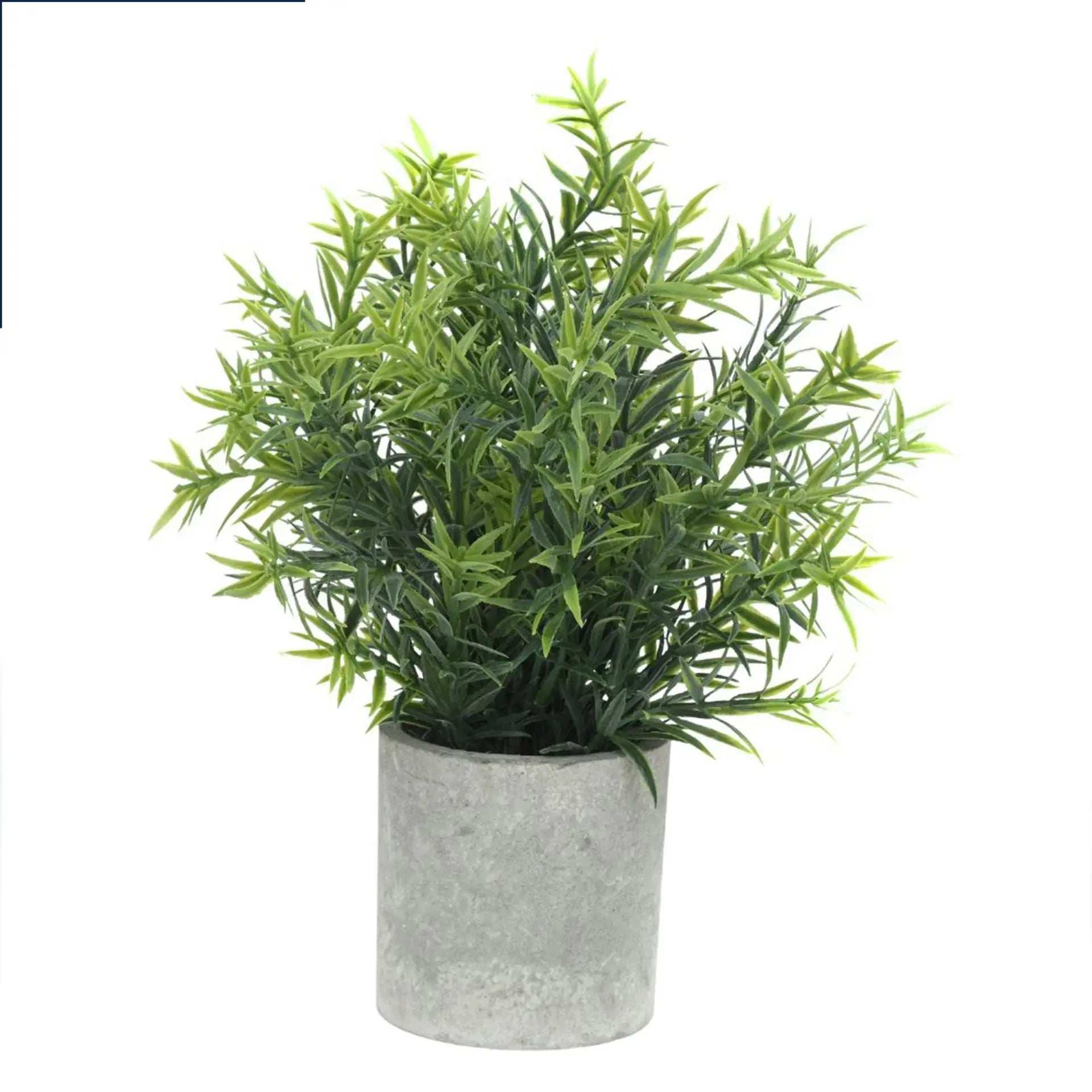
Our Magical Plants collection brings together officially licensed and craft-inspired gifts, accessories, homeware and botanical pieces celebrating the plant kingdom in all its magical dimensions — from Herbology-themed merchandise and Mandrake figures to botanical print homeware, herb jars and plant-adjacent gifts for the green-fingered witch, the Herbology enthusiast and anyone who has ever looked at a houseplant and suspected it was paying closer attention than expected.
Water them. Talk to them. Do not, under any circumstances, remove the earmuffs before the Mandrakes are fully potted.